

Most trial teams underestimate the prep needed before the courtroom doors open. Missed steps in trial support services can cost you time and credibility when it matters most. From courtroom site surveys to synchronized deposition videos, every detail builds toward a smooth trial presentation. Keep reading to see the essential pre-court actions that ensure your case runs without a hitch—and how McCorkle can handle it all with care and precision. Learn more about what trial support should handle before the courtroom opens.
Preparing the Courtroom
Before the gavel strikes, preparation behind the scenes is key. This groundwork ensures everything runs effortlessly when the trial begins. Let’s explore the critical steps in setting up the courtroom.
Conducting a Courtroom Site Survey
A site survey is your first step toward a successful trial. Knowing the layout and logistics helps avoid surprises. When you conduct a survey, you identify technical and spatial needs, ensuring nothing is left to chance.
Understanding the courtroom’s specifics helps you plan effectively. Check the placement of outlets and assess lighting conditions. Knowing these details allows your team to enter with confidence. Familiarity with the space also means your presentation fits seamlessly, no matter the setting.
Ensuring Effective A/V Setup for Trials
Audio-visual equipment plays a vital role in trial presentations. A well-planned A/V setup ensures clear communication of your case. Start by choosing the right equipment, from microphones to projectors, to fit the courtroom’s acoustics and layout.
Next, test everything before the trial day. Catch any glitches early, so your presentation appears flawless. Reliable A/V setup not only enhances clarity but also keeps jurors engaged, making a strong impact on your audience.
Trial Equipment Rental Essentials
Renting the right equipment can make or break your courtroom strategy. It’s crucial to have access to high-quality gear like projectors and screens. Ensure that the equipment aligns with your trial needs and fits the courtroom environment.
Consider the logistics of delivery and setup. Partnering with a reliable supplier guarantees timely service and support. Having the right gear in place helps you stay focused on presenting a compelling case without technical disruptions.
Managing Trial Materials

Once the courtroom is ready, focus shifts to managing your trial materials. Proper organization here ensures that your evidence and presentations are always at your fingertips.
Secure Exhibit Management
Managing exhibits securely is crucial for maintaining their integrity. Use a chain of custody to track each piece of evidence. This process helps prevent tampering and ensures the exhibits are admissible in court.
Organize exhibits clearly for quick access. Label them and keep an inventory list to avoid confusion during the trial. Secure exhibit management not only strengthens your case but also builds trust in your professionalism.
Deposition Video Synchronization Techniques
Synchronized deposition videos add depth to your presentation. They offer a dynamic way to present witness testimony, enhancing juror understanding.
Start by ensuring your videos are aligned with transcripts. This synchronization lets jurors follow along effortlessly, boosting engagement. Use professional services to handle this task, ensuring precision and reliability in every clip.
Developing Impactful Trial Graphics
Graphics can clarify complex information and sway opinions. Design them to highlight key points, using visuals to reinforce your narrative. Well-designed graphics make your arguments more compelling and memorable.
Invest in quality design tools or services. This investment ensures your graphics are polished and professional, supporting your case effectively. Impactful trial graphics can be the difference between juror confusion and clarity.
Ensuring Team Readiness
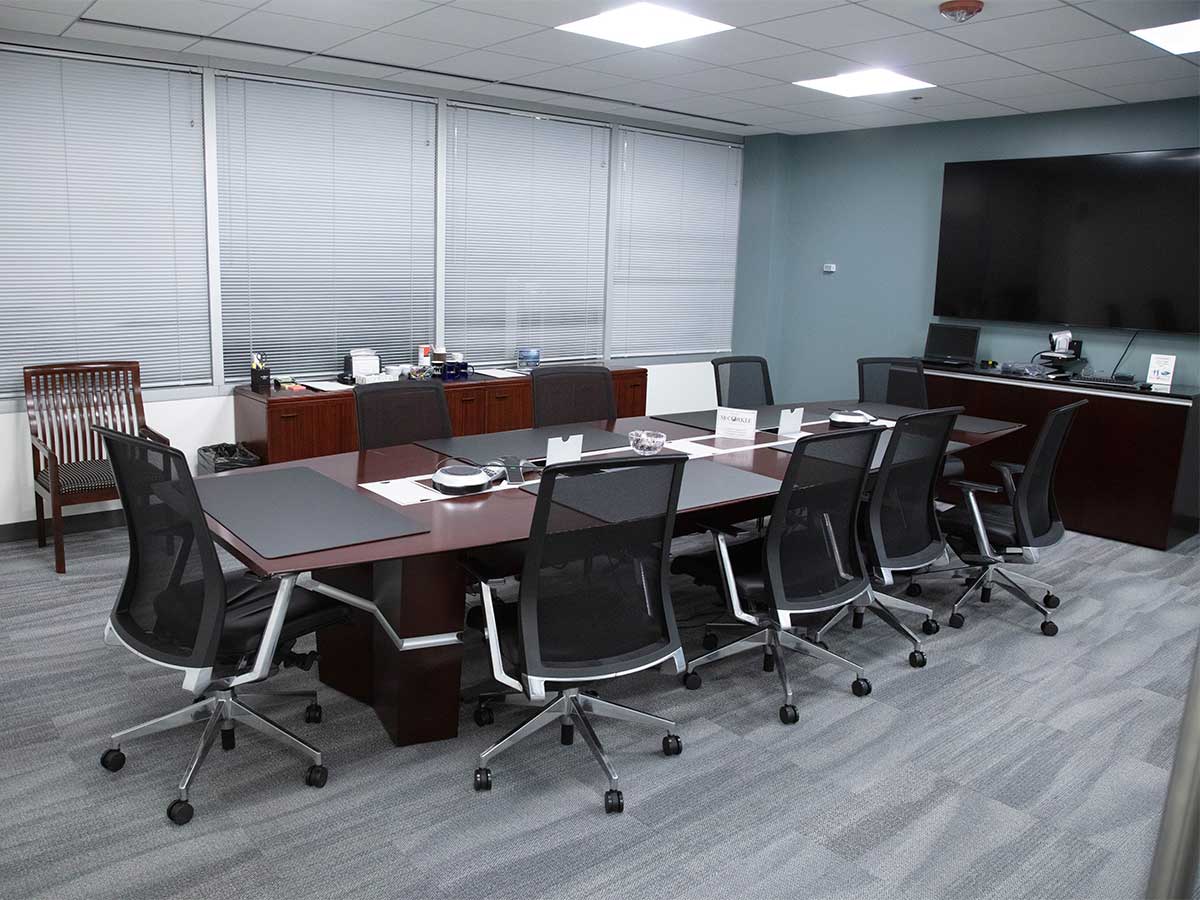
Beyond materials and setup, your team’s readiness is critical. A well-prepared team operates smoothly and reacts swiftly to unexpected challenges.
War Room Setup and Security
A functional war room is the nerve center of your trial operations. It provides a secure space for strategy discussions and quick adjustments. Equip it with the necessary technology and communication tools to keep your team connected.
Security is key. Ensure only authorized personnel have access to this space. Protect sensitive information, maintaining confidentiality throughout the trial process.
The Role of a Hot-Seat Operator
A hot-seat operator is essential for managing live presentations. This role involves quick thinking and seamless execution of multimedia elements. A skilled operator anticipates the trial’s flow and reacts swiftly to changes.
Choose someone experienced for this role. Their expertise ensures your presentations run without a hitch, maintaining focus on your case’s strengths. The hot-seat operator is your unseen trial hero, keeping everything on track.
Remote and Hybrid Hearings Support
Remote and hybrid hearings are becoming more common. Adapting to these formats requires understanding new technologies and protocols. Ensure your team is comfortable with video conferencing tools and has reliable internet access.
Plan for technical support to address any issues that arise. Effective management of remote hearings ensures your case retains its impact, no matter the format. Being adaptable to these changes keeps you ahead in the evolving legal landscape.
Frequently Asked Questions
What is a courtroom site survey, and why is it important?
A courtroom site survey involves inspecting the trial venue to assess its layout and technical requirements. It helps identify potential issues and ensures all equipment and presentations fit the space appropriately.
How can I ensure my A/V setup is effective for trial presentations?
Test all audio-visual equipment before the trial to catch any issues early. Choose the right gear for the courtroom’s acoustics and layout, and ensure your team is familiar with its operation.
What are the benefits of deposition video synchronization?
Synchronized deposition videos align with transcripts, enhancing juror engagement and understanding. They provide a dynamic way to present testimony, making complex information more accessible.
How do I manage trial exhibits securely?
Use a chain of custody to track each piece of evidence, preventing tampering. Organize exhibits clearly with labels and an inventory list for quick access and reliability.
Why is a hot-seat operator important during a trial?
A hot-seat operator manages live presentations, ensuring seamless execution of multimedia elements. Their expertise keeps presentations on track and helps maintain focus on your case’s key points.
Call us today at (312) 263-0052